THIS PRODUCT IS INTENDED AS A RESEARCH CHEMICAL ONLY.
This designation allows the use of research chemicals strictly for
in vitro testing and laboratory experimentation only.
All product information available on this website is for educational
purposes only. Bodily introduction of any kind into humans or animals
is strictly forbidden by law. This product should only be handled by
licensed, qualified professionals. This product is not a drug, food,
or cosmetic and may not be misbranded, misused or mislabeled as a drug,
food or cosmetic.
GLOW
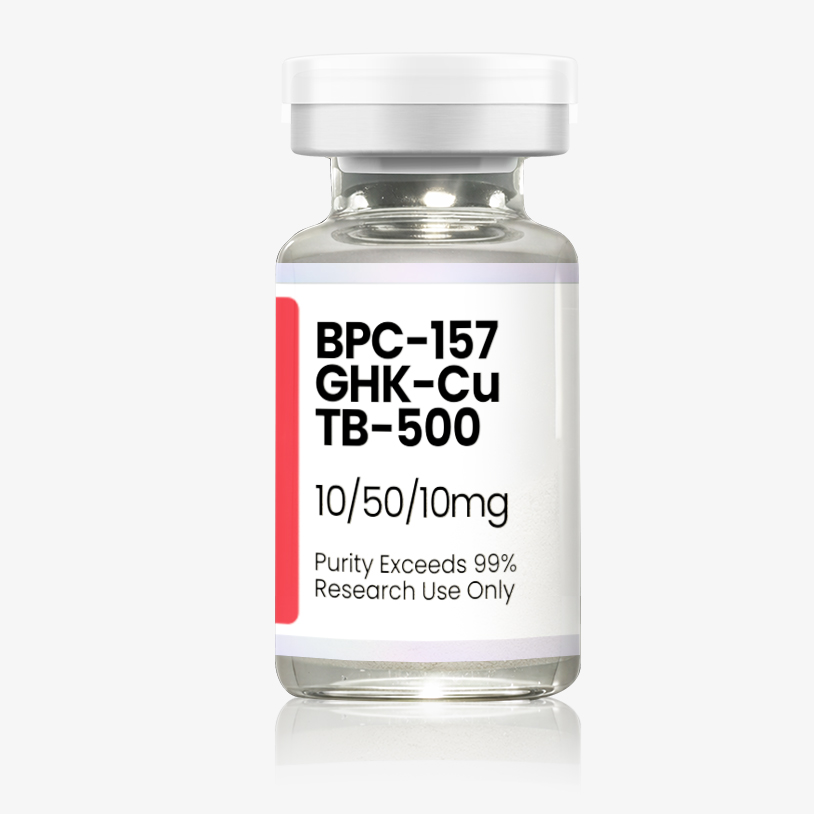
Glow Blend is a research peptide combination of BPC-157, TB-500, and GHK-Cu designed for multi-pathway signaling investigations. Experimental models assess nitric oxide–associated pathways, cytoskeletal dynamics, extracellular matrix signaling, and redox-related molecular markers. All applications are confined to non-clinical laboratory research.
Products will arrive in a lyophilized (powder) form to maximize stability and shelf life.
$169
FREE BAC Water for Peptide Orders over $250
Buy any peptide, get a vial of the same peptide FREE. Limited time only.
What It Is
Glow Blend is a composite research formulation combining BPC-157, TB-500 (Thymosin Beta-4 fragment), and GHK-Cu for investigation of coordinated peptide signaling in experimental models.
What It’s Derived From
The blend incorporates three bioactive peptides with distinct biochemical characteristics:
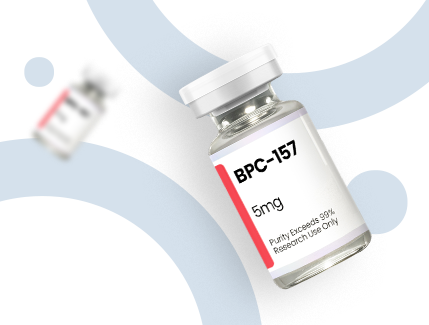
BPC-157 – a 15–amino–acid gastric peptide fragment studied for nitric oxide–associated and growth-factor–related signaling pathways.
TB-500 – a 43–amino–acid peptide corresponding to the thymosin beta-4 sequence motif involved in actin-binding and cytoskeletal dynamics research.
GHK-Cu – a copper(II)-binding tripeptide (Gly-His-Lys) studied for metal-ion interactions, metalloprotein activity, and redox-associated signaling.
What Research Focuses On
Experimental systems evaluate this combination in multi-pathway studies examining nitric oxide modulation, actin cytoskeleton remodeling, extracellular matrix–associated signaling, oxidative stress responses, and peptide–metal interaction dynamics under controlled laboratory conditions.